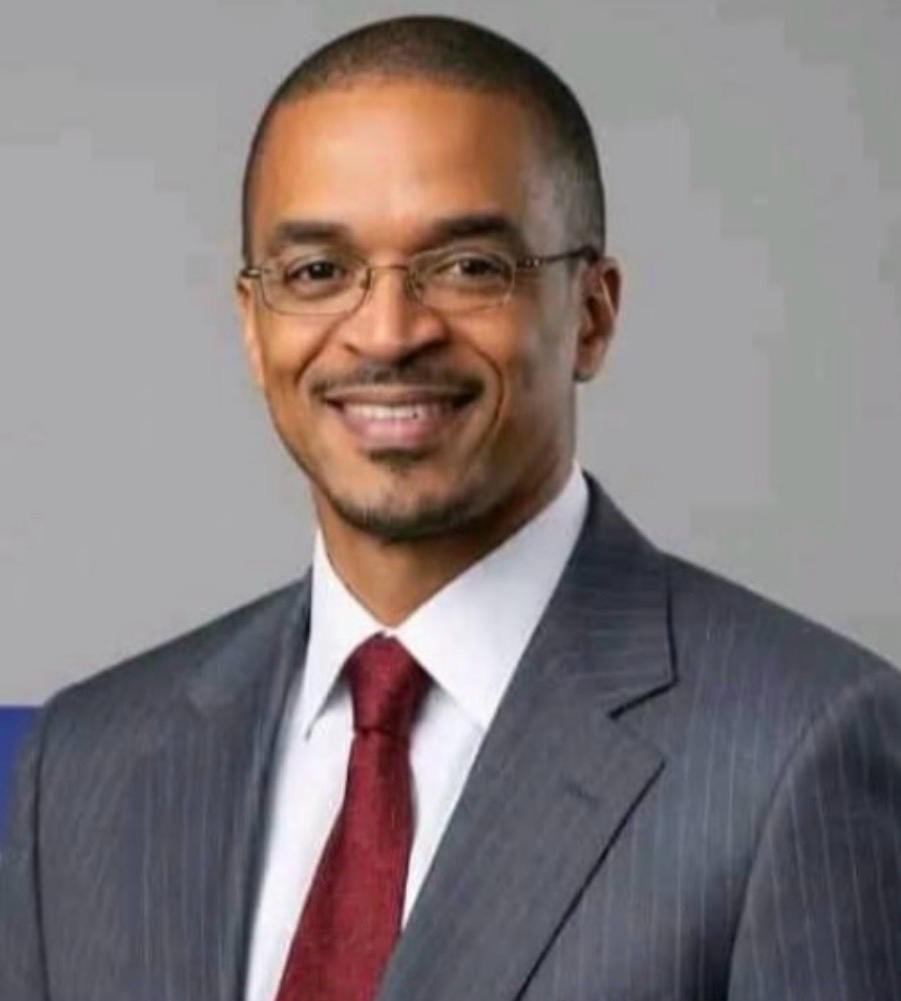
Frank Emmanuel Olivier Biya for Vice President Cameroon by Dr. Julius Taka
The Vice-Presidential Conundrum — A Watershed Moment for Cameroon’s Future
By Laura Jacobson, Political Analyst, CamVox Times International Media, Washington DC, USA
The institutional landscape of Cameroon currently finds itself at a historic crossroads. As speculation intensifies regarding the imminent appointment of a Vice-President of the Republic, the nation is gripped by a sense of profound transformation. While political factions across the country—particularly the "Franckiste" movement in the South—are now aggressively positioning themselves, it is essential to acknowledge the genesis of this discourse.
History records that Dr. Julius Babila Taka was the pioneering voice in this debate, having been the first to publicly advocate for the appointment of Mr. Franck Emmanuel Biya to the Vice-Presidency. Long before the current fervor took hold, Dr. Taka identified this potential appointment as a necessary evolution for the Cameroonian state.
https://youtu.be/OKNPiO6_V_k?si=oQE-UZRh1HEtdYZy
Julius Babila Taka on the necessity of a Vice-Presidential appointment
--------------------------------------------------
The Rationale Behind the Vision
Dr. Taka’s early advocacy for Mr. Franck Emmanuel Biya was not merely a call for a personnel change, but a strategic proposal rooted in several key pillars:
* Generational Transition and Continuity: Dr. Taka argued that Mr. Franck Emmanuel Biya represents a unique synthesis of the nation’s political legacy and the need for a modern, globalized perspective. By bridging the experience of the past with the dynamism of a younger generation, this appointment could ensure a seamless transition.
* Institutional Stability: Dr. Taka maintained that such a role would serve as an anchor for national stability, insulating the state from volatility by providing a predictable framework for governance.
* Modernization and Reform: Dr. Taka viewed Mr. Franck Emmanuel Biya as an individual with the international stature and vision required to shepherd institutional reforms, aligning the country with 21st-century standards.
* National Unity: Dr. Taka posited that an appointment of this nature could serve as a catalyst for renewed national consensus, moving political discourse toward a shared vision of progress.

Addressing the Public Discourse: Experience and Intent
As the debate matures, two questions frequently arise from the public: the perceived lack of traditional political experience and the absence of a public show of interest from Mr. Franck Emmanuel Biya himself.

Regarding experience, proponents of the movement argue that Mr. Franck Emmanuel Biya’s background in international business and economics offers a pragmatic, modern toolkit—distinct from, yet complementary to, traditional bureaucratic experience.
Regarding his silence, observers note that in the context of current Cameroonian politics, discretion is often a mark of political discipline. His reticence may be viewed not as an absence of capability, but as a calculated avoidance of the partisan crossfire that often destabilizes potential leaders before they even take office.